← All carpentry services

Melbourne carpentry service guide

Carpentry Repairs Melbourne

Carpentry repair enquiries for sticking doors, damaged trim, loose timber fittings and localised wear around Melbourne properties.

Service fit, availability and any structural, permit or regulated-work requirements are confirmed after the proposed scope is reviewed.

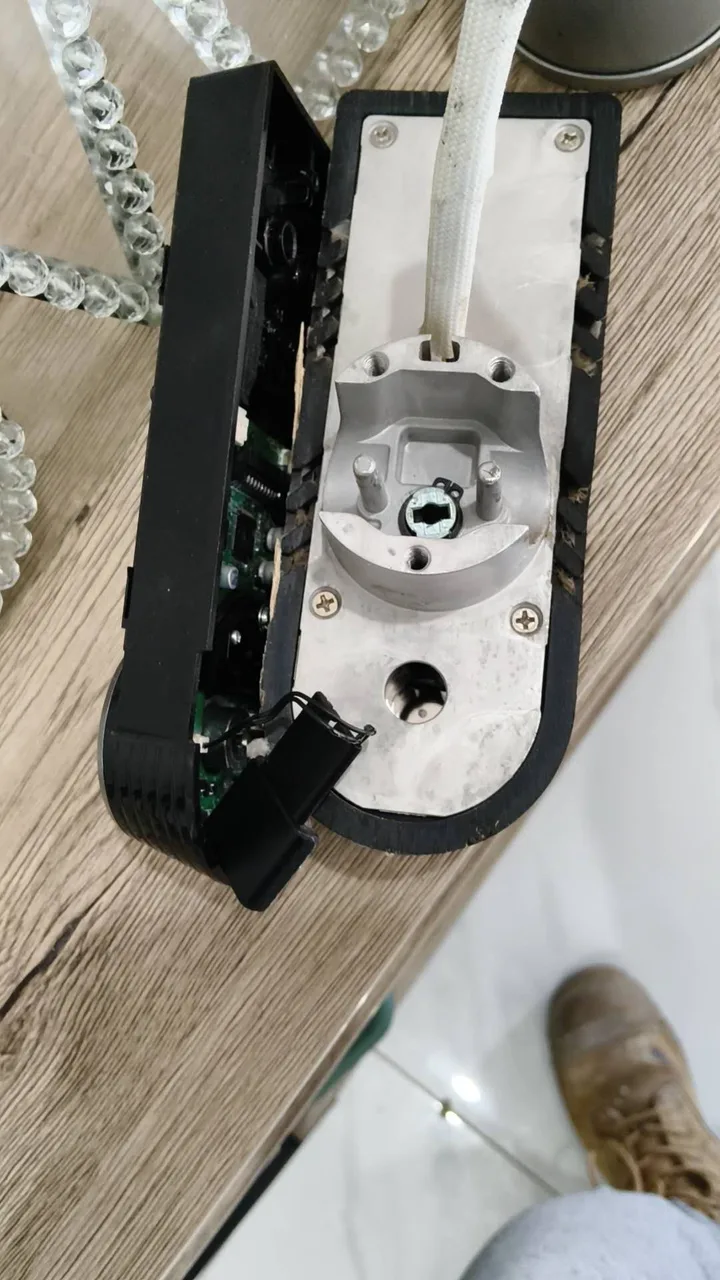
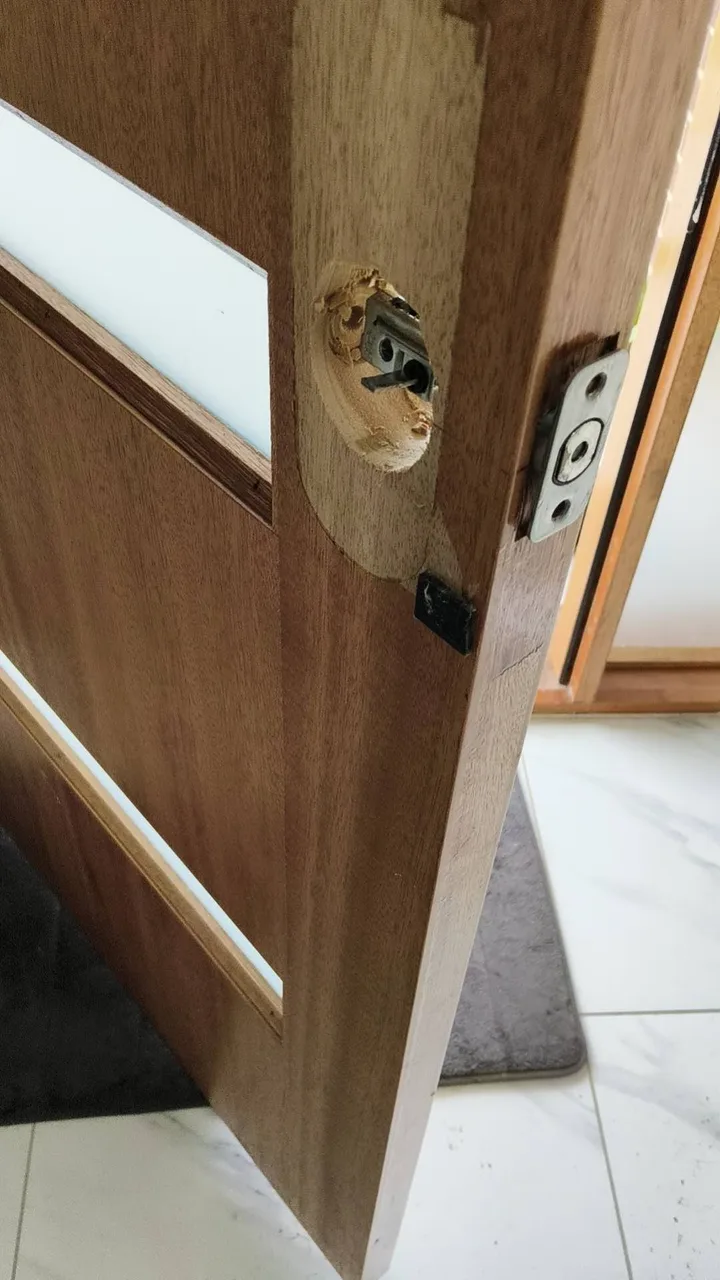
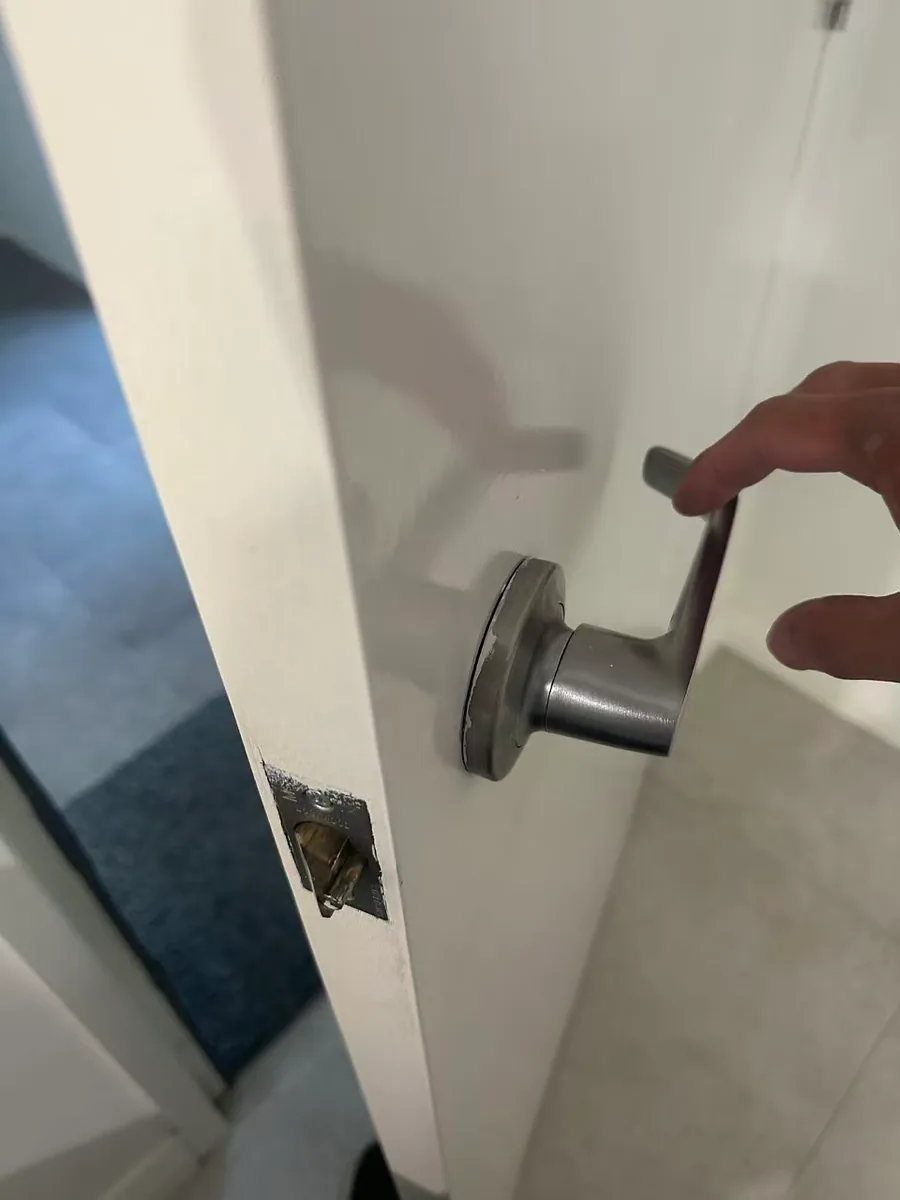
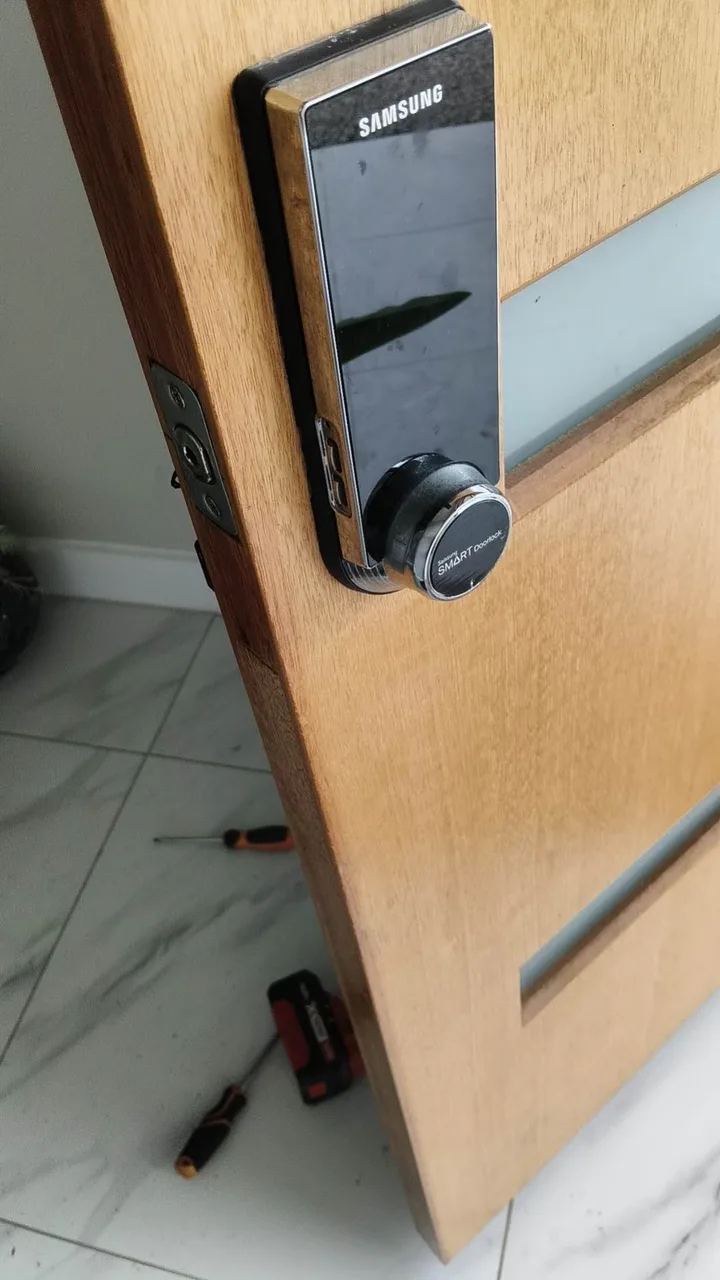
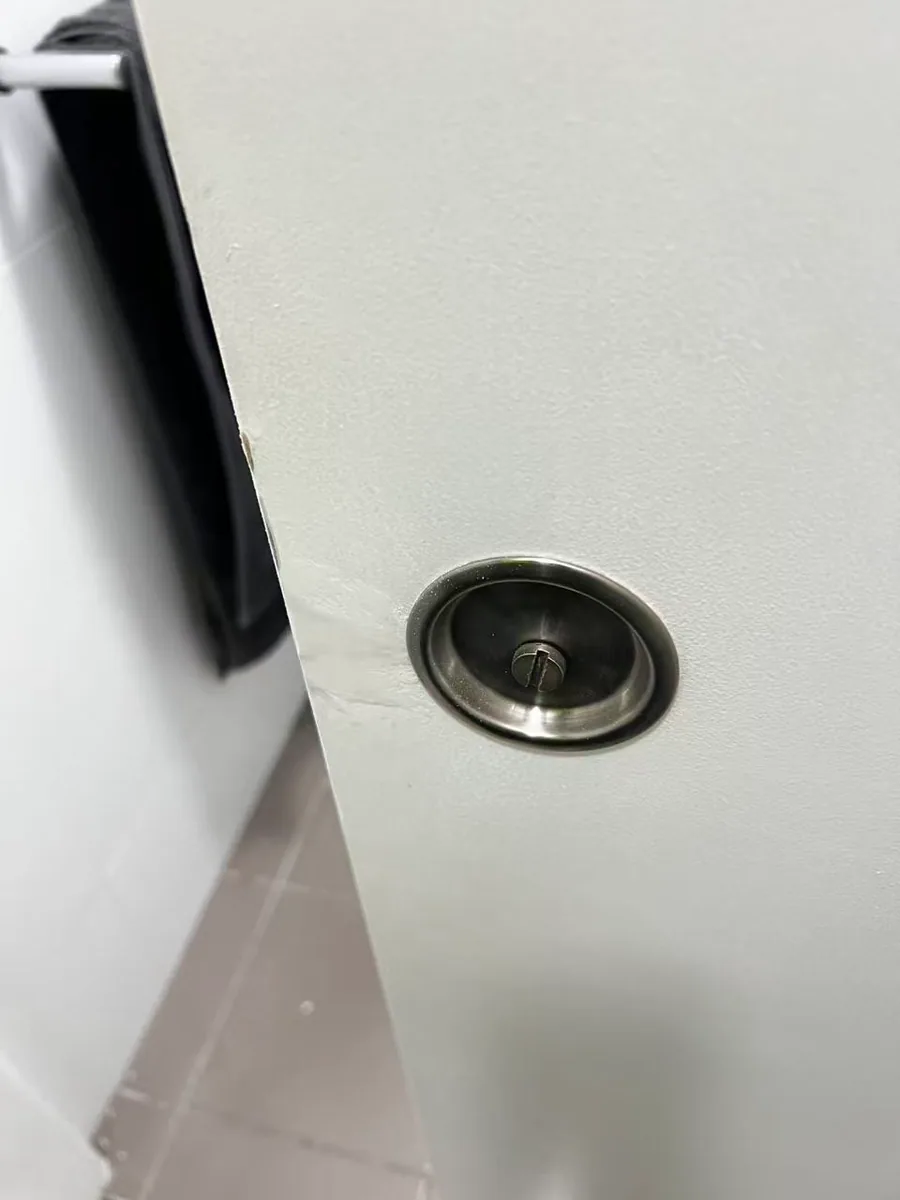
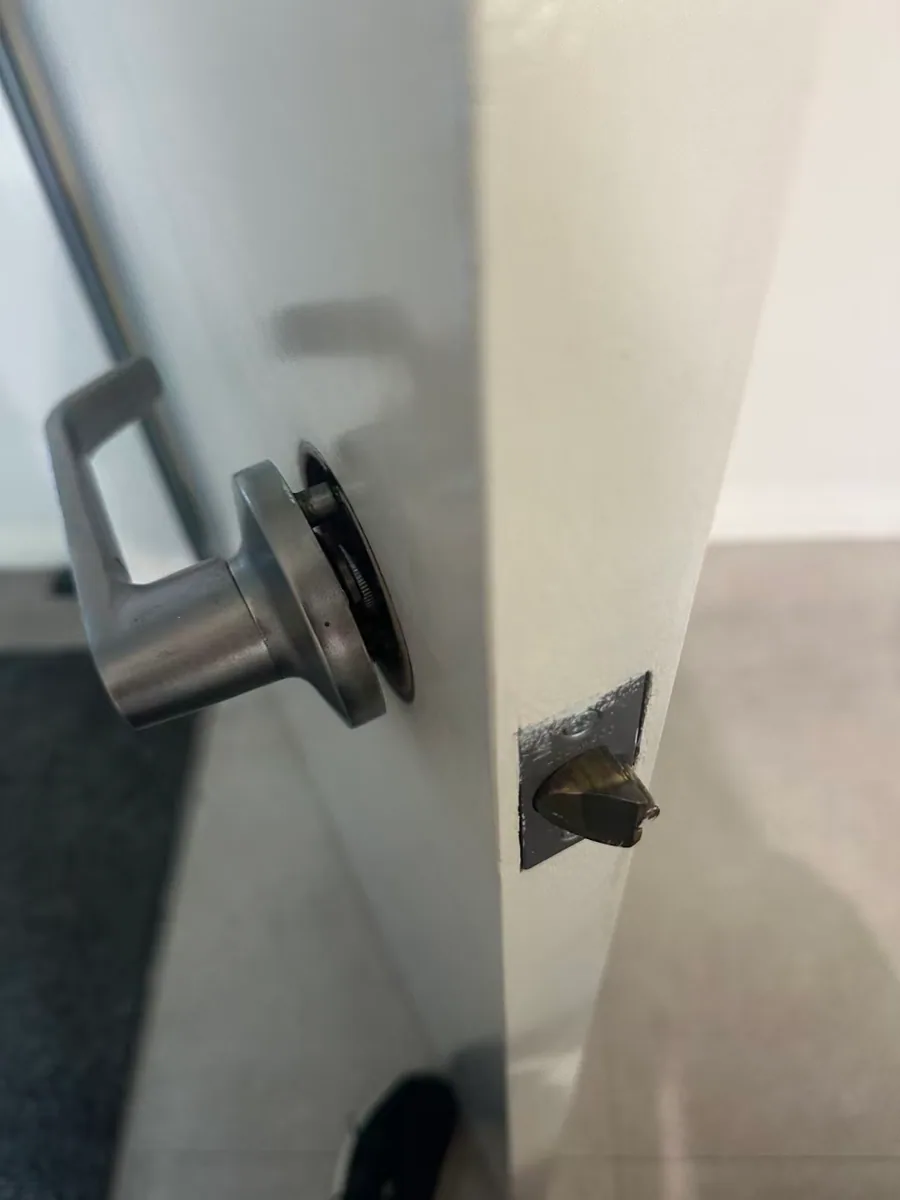
Owner-supplied close photo of a front-door latch repair area

Service overview

Carpentry repairs in Melbourne: scope, options and first checks

Carpentry repairs work best when the failed timber, hardware and surrounding substrate are assessed together. A sticking door may involve hinges, swelling or movement; damaged trim may need local repair, matching or replacement.

A typical enquiry begins when a door will not close, timber trim has split, a fitting is loose, or a small section of timber work has deteriorated. The proposed item, photos, access and intended result are reviewed before materials, timing and the appropriate assessment path are discussed.

What the carpentry repairs discussion can cover

  • Review of photos and the repair objective
  • Discussion of access and material matching
  • A repair-versus-replacement scope
  • Local repair and refixing
  • Hardware adjustment or replacement
  • Partial timber replacement where material has failed
01

Photos

Wide and close views of the item and surrounding area

02

Dimensions

Approximate size, access and nearby junctions

03

Outcome

The repair, finish or new result you want to discuss

Before a scope is confirmed

Material condition, access, service fit and any structural or regulated-work boundary still need to be reviewed. The guide provides a useful starting point; it is not a diagnosis or a fixed quote from photographs alone.

Possible service paths

  • Local repair and refixing
  • Hardware adjustment or replacement
  • Partial timber replacement where material has failed

Common causes to consider

  • Movement, impact or repeated use
  • Moisture exposure or seasonal swelling
  • Loose fixings, worn hardware or failed joints

Decisions that change scope

  • Whether the timber can be retained
  • Whether matching profiles are available
  • Whether movement points to a broader building issue

Clarify the scope

Not sure which repair or carpentry path fits? Start with what you can see, measure and photograph safely.

Prepare the details

What the discussion can include

  • Review of photos and the repair objective
  • Discussion of access and material matching
  • A repair-versus-replacement scope

Current scope boundaries

  • Service fit and availability are confirmed after the enquiry is reviewed
  • Structural, permit-controlled or regulated work may require an appropriately registered practitioner
  • No fixed price, free visit, warranty, same-day attendance or completion time is promised online

Useful assessment inputs

  • Wide and close photos
  • What moves, binds or feels loose
  • Approximate dimensions
  • Previous repair attempts

What can affect a quote

  • Extent of concealed damage
  • Hardware and profile availability
  • Access and finish matching
  • Number of separate repair points
Prepare your enquiry checklist
  • Melbourne suburb or postcode
  • A short description of the timber item, room or outdoor area
  • Measurements or plans if available
  • Wide context and close detail photos taken safely
  • Preferred timing and any access constraints

Plan the assessment

Share the suburb, access, dimensions and intended result so the next conversation starts with useful context.

Call 0434 726 883

Service process

How the carpentry repairs enquiry moves forward

The sequence keeps the first conversation useful while leaving condition, trade fit and the final scope to proper assessment.

  1. 01

    Send the location, photographs and the outcome you want.

  2. 02

    The team reviews the request and asks for any missing dimensions or context.

  3. 03

    Access, materials, trade boundaries and an assessment path are discussed.

  4. 04

    A written scope and quote can be prepared once the work is understood.

Before an assessment

  • Keep the item accessible
  • Do not force jammed hardware
  • Retain loose pieces or matching offcuts if safe

Ready for the next step?

Bring the photos, priorities and timing together in one structured Melbourne carpentry enquiry.

Open the enquiry form

Common questions

Questions about carpentry repairs

Can a sticking door be adjusted without replacement?

Often, but the cause matters. Hinges, latch alignment, floor clearance, swelling and frame movement should be checked before material is removed.

Can damaged timber be patched?

Local patching can suit sound surrounding timber. Rot, repeated movement or extensive splitting can make partial replacement more reliable.

Do photos help with a repair enquiry?

Yes. Include the whole item, the damaged area and any hardware or adjoining surface.

Can you match an old profile?

Matching depends on the profile, timber and available mouldings. A clear end-on photo and measurements help.

Is structural repair included?

Structural work is assessed separately and may require a registered builder or other qualified practitioner for the final scope.

For Victorian domestic building work, registration, permit and contract requirements depend on the work type and value. The final scope must remain within the appropriate practitioner and trade boundaries.

Related Melbourne carpentry guides

Structured enquiry

Prepare the useful details

The form sends the details to Ellis Services and reports success only after the server accepts the enquiry for delivery.

Or call 0434 726 883

Send a carpentry enquiry

Share enough context for the team to confirm service fit and next steps.

Your details are used only to respond to this enquiry.