← All carpentry services

Melbourne carpentry service guide

Door and Timber Window Carpentry Melbourne

Door, sliding-door and timber-window carpentry enquiries covering alignment, hardware, local repairs and replacement planning.

Service fit, availability and any structural, permit or regulated-work requirements are confirmed after the proposed scope is reviewed.

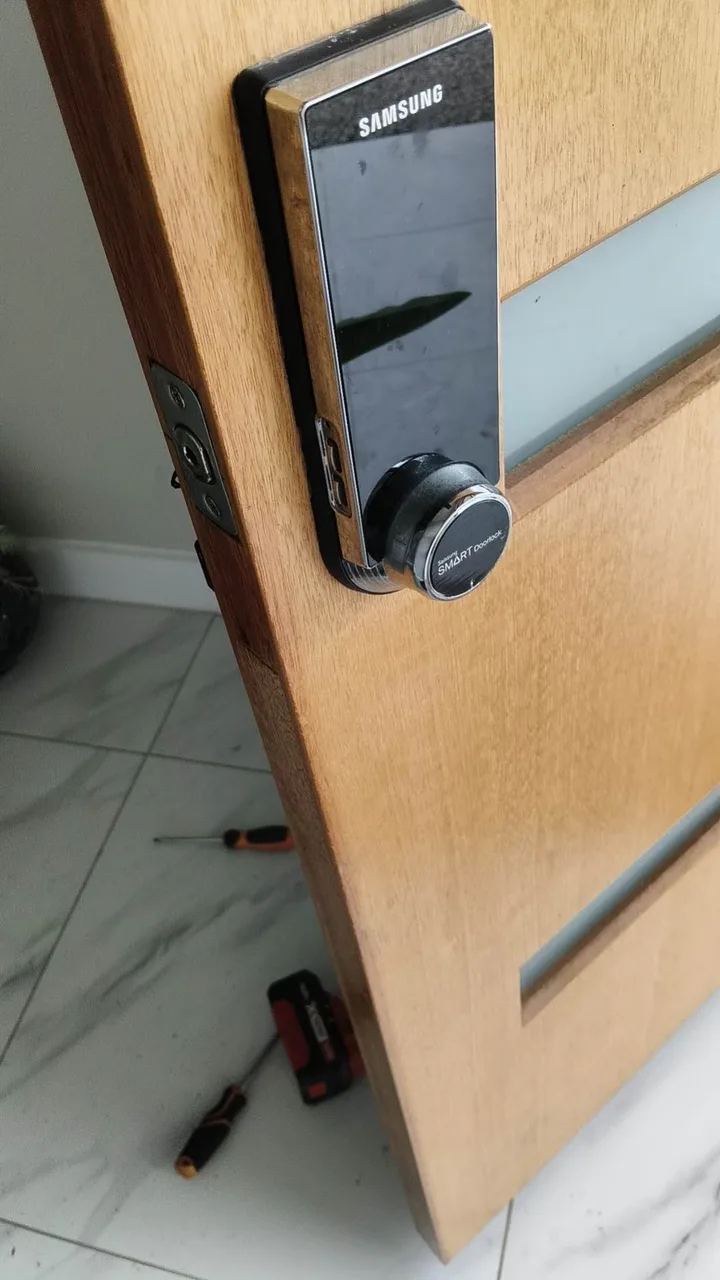
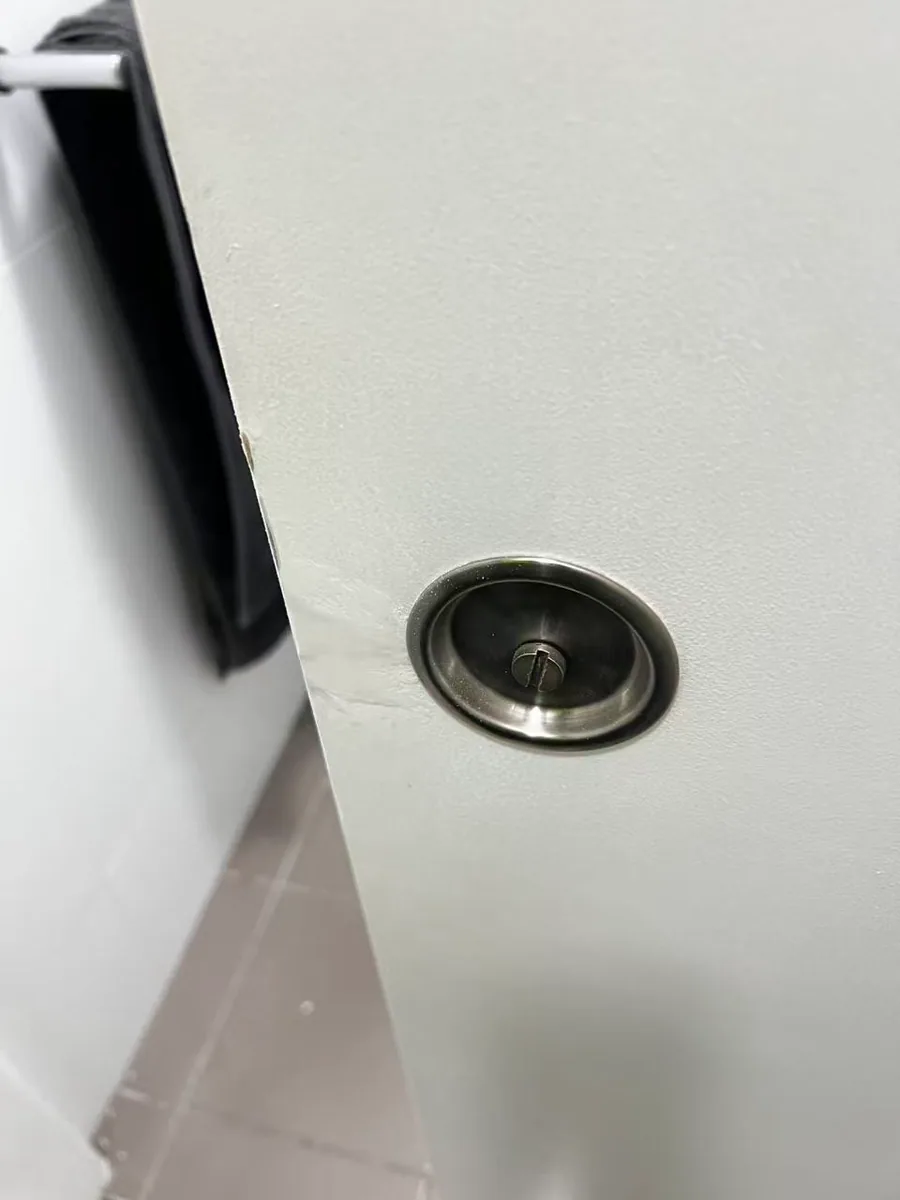
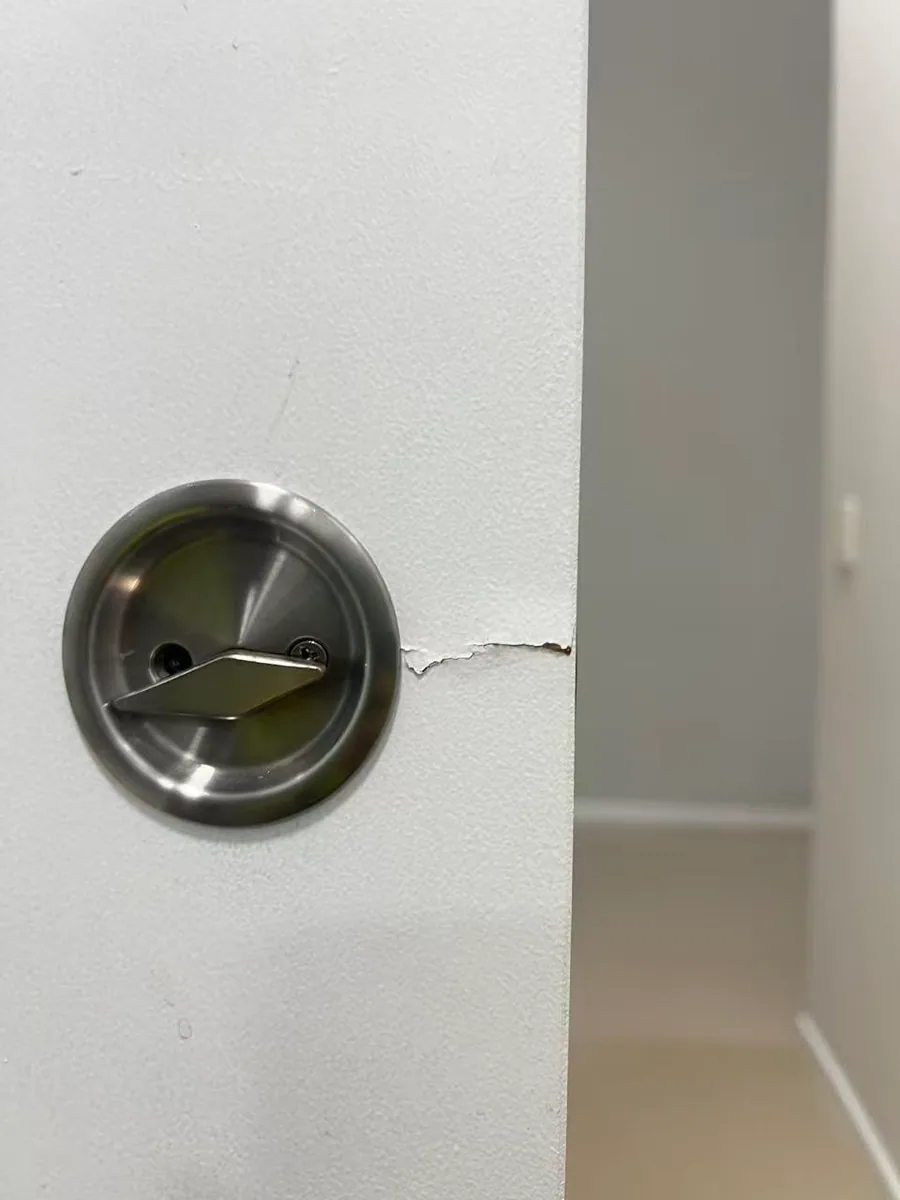
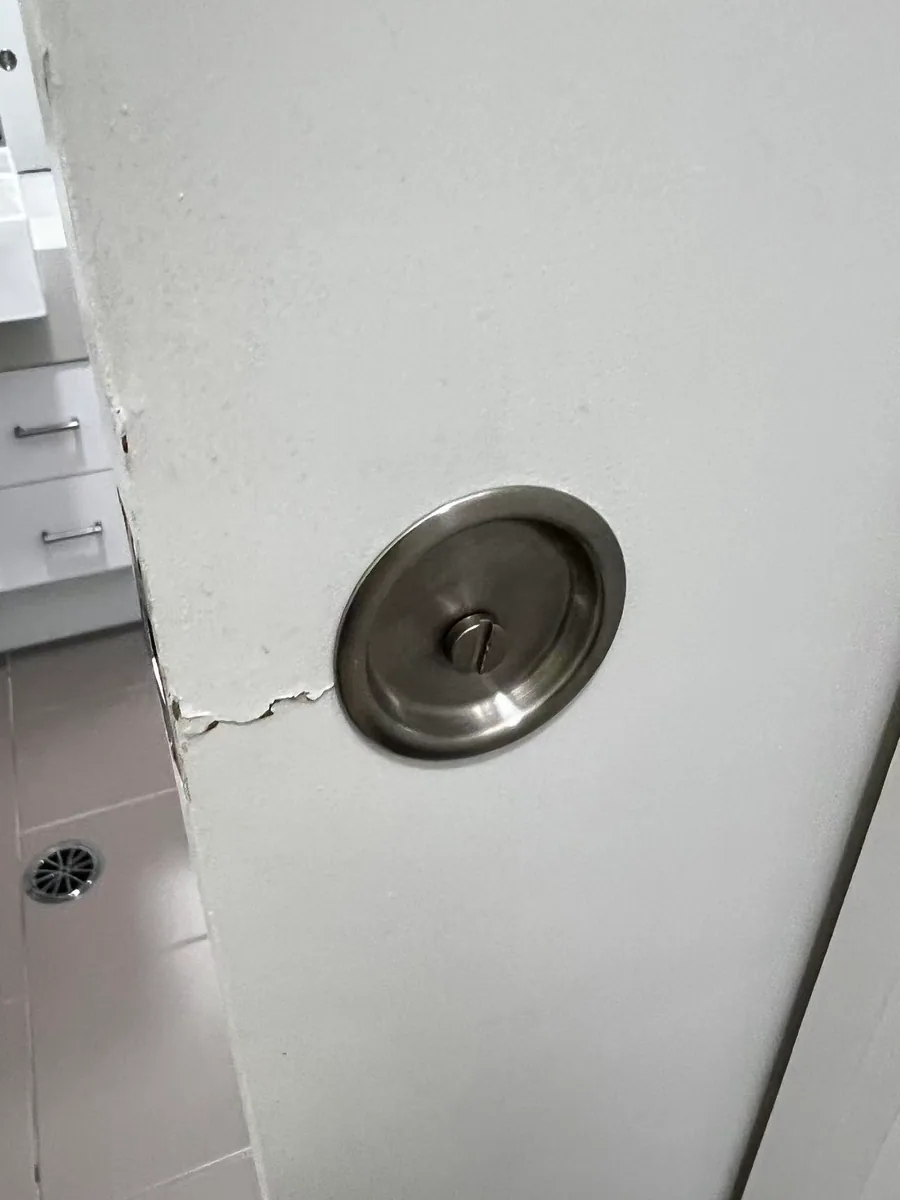
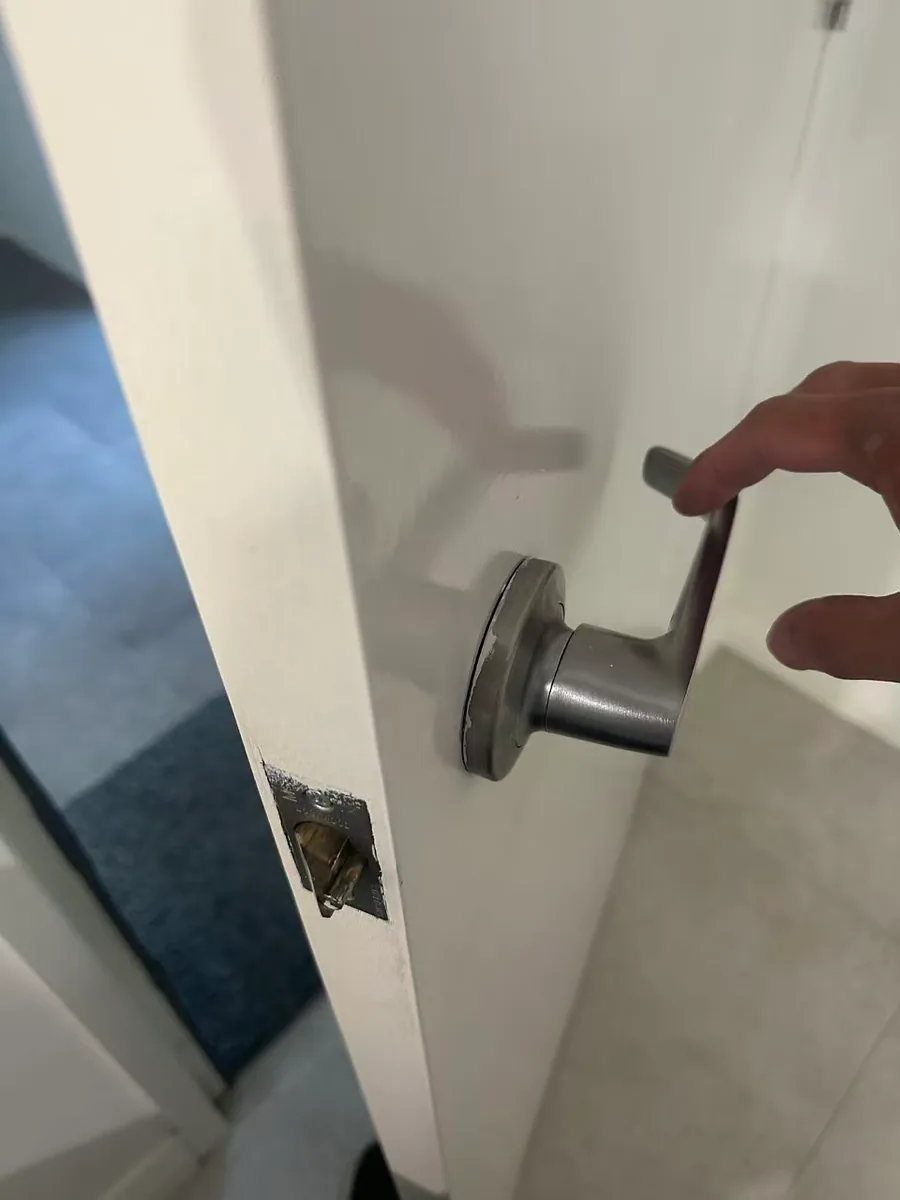
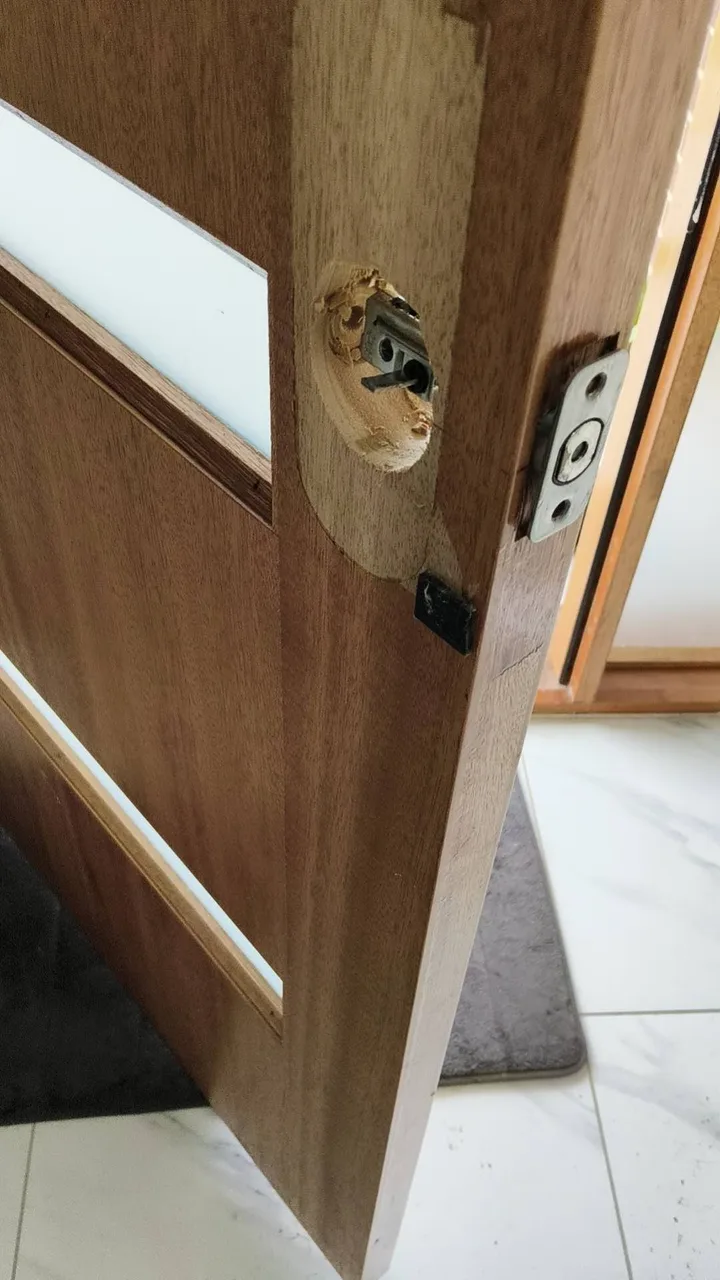
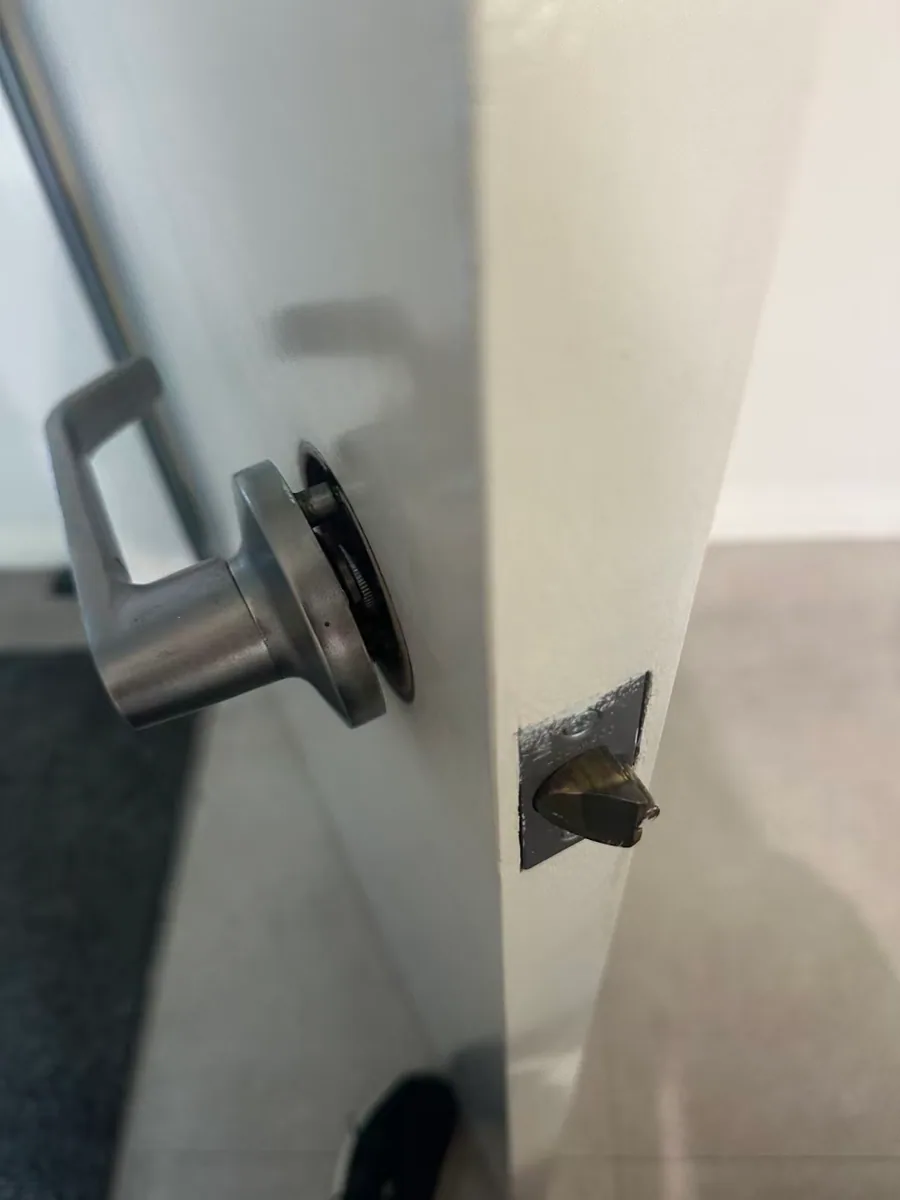
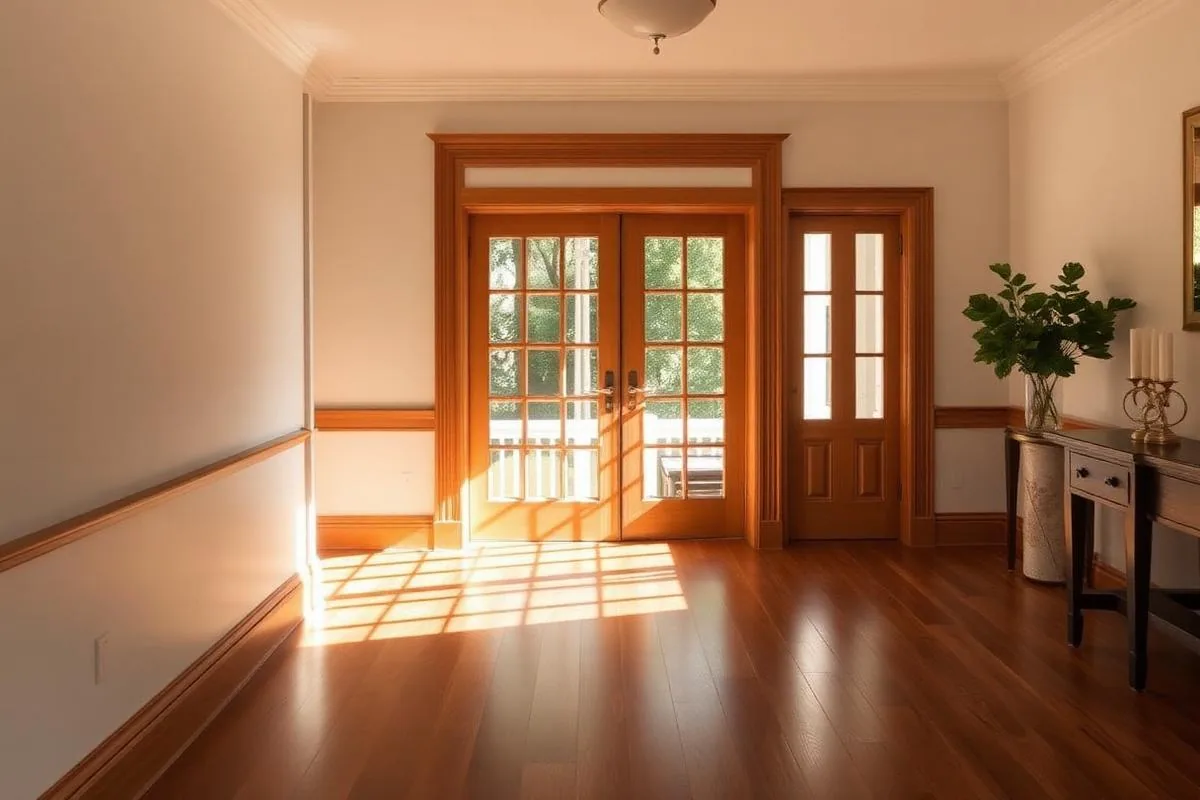
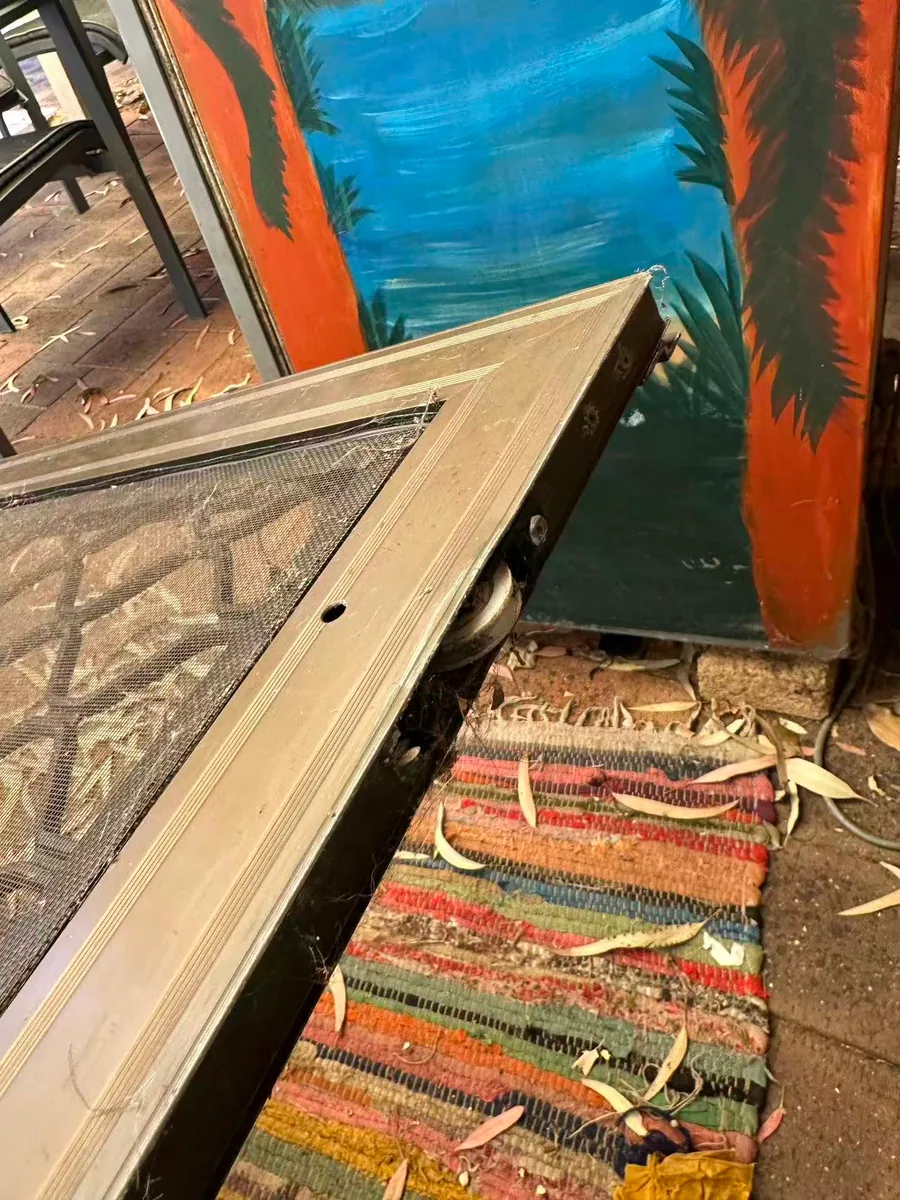
Owner-supplied photo of a sliding door and track area

Service overview

Doors and timber windows in Melbourne: scope, options and first checks

Door and timber-window problems can come from the leaf or sash, hinges, rollers, latch alignment, swollen timber or movement in the frame. Identifying where it binds or moves changes the repair path.

A typical enquiry begins when a hinged or sliding door drags, will not latch, has damaged hardware, or a timber frame or window section needs repair. The proposed item, photos, access and intended result are reviewed before materials, timing and the appropriate assessment path are discussed.

What the doors and timber windows discussion can cover

  • Operation and alignment review
  • Hardware and frame discussion
  • Repair-versus-replacement scope
  • Adjustment and hardware replacement
  • Local frame or timber repair
  • Replacement planning for an unsuitable or failed unit
01

Photos

Wide and close views of the item and surrounding area

02

Dimensions

Approximate size, access and nearby junctions

03

Outcome

The repair, finish or new result you want to discuss

Before a scope is confirmed

Material condition, access, service fit and any structural or regulated-work boundary still need to be reviewed. The guide provides a useful starting point; it is not a diagnosis or a fixed quote from photographs alone.

Possible service paths

  • Adjustment and hardware replacement
  • Local frame or timber repair
  • Replacement planning for an unsuitable or failed unit

Common causes to consider

  • Worn rollers, hinges or locks
  • Moisture-related timber movement
  • Out-of-square frames or damaged tracks

Decisions that change scope

  • Repair hardware or alter timber
  • Retain the existing frame or replace it
  • Check whether glazing, waterproofing or structural scope is involved

Clarify the scope

Not sure which repair or carpentry path fits? Start with what you can see, measure and photograph safely.

Prepare the details

What the discussion can include

  • Operation and alignment review
  • Hardware and frame discussion
  • Repair-versus-replacement scope

Current scope boundaries

  • Service fit and availability are confirmed after the enquiry is reviewed
  • Structural, permit-controlled or regulated work may require an appropriately registered practitioner
  • No fixed price, free visit, warranty, same-day attendance or completion time is promised online

Useful assessment inputs

  • Photos open and closed
  • Close details of hinges, rollers, locks or damage
  • Opening dimensions
  • Whether the issue changes with weather

What can affect a quote

  • Hardware availability
  • Frame condition
  • Access and glazing coordination
  • Paint or clear-finish restoration
Prepare your enquiry checklist
  • Melbourne suburb or postcode
  • A short description of the timber item, room or outdoor area
  • Measurements or plans if available
  • Wide context and close detail photos taken safely
  • Preferred timing and any access constraints

Plan the assessment

Share the suburb, access, dimensions and intended result so the next conversation starts with useful context.

Call 0434 726 883

Service process

How the doors and timber windows enquiry moves forward

The sequence keeps the first conversation useful while leaving condition, trade fit and the final scope to proper assessment.

  1. 01

    Send the location, photographs and the outcome you want.

  2. 02

    The team reviews the request and asks for any missing dimensions or context.

  3. 03

    Access, materials, trade boundaries and an assessment path are discussed.

  4. 04

    A written scope and quote can be prepared once the work is understood.

Before an assessment

  • Clear the operating path
  • Do not dismantle spring-loaded or glazed components
  • Share brand or hardware markings if visible

Ready for the next step?

Bring the photos, priorities and timing together in one structured Melbourne carpentry enquiry.

Open the enquiry form

Common questions

Questions about doors and timber windows

Why does a door only stick in wet weather?

Timber can absorb moisture and swell, but hinge movement, finish failure and frame alignment can also contribute.

Can sliding-door rollers be replaced?

Often, if compatible parts are available and the track and frame are suitable.

Should a door be planed immediately?

Not always. Hinge and frame alignment should be checked first so unnecessary material is not removed.

Can damaged jamb timber be repaired?

Local repair can suit contained damage; widespread decay or movement may require a larger replacement scope.

Do you handle glass replacement?

Glazing is a separate trade consideration and must be confirmed for the specific job.

For Victorian domestic building work, registration, permit and contract requirements depend on the work type and value. The final scope must remain within the appropriate practitioner and trade boundaries.

Related Melbourne carpentry guides

Structured enquiry

Prepare the useful details

The form sends the details to Ellis Services and reports success only after the server accepts the enquiry for delivery.

Or call 0434 726 883

Send a carpentry enquiry

Share enough context for the team to confirm service fit and next steps.

Your details are used only to respond to this enquiry.